Tile Roof Leak Repair Services
Tile roofs are durable but not leak-proof — cracked tiles, broken underlayment, and worn flashing can all let water in over time. Our team carefully identifies and repairs tile roof leaks without unnecessary tile damage, protecting your home from water intrusion and costly structural issues.
500+
Roofs Repaired
5★
Rated by Homeowners
Same-Day
Inspections Available
24/7
Emergency Response
Don’t Overlook These Tile Roof Leak Signs
Tile roofs are built to last for decades, but that durability often hides small problems until they become expensive ones. Here are six signs that shouldn’t be ignored before they turn into a bigger tile roof leak repair.
Cracked or Slipped Tiles
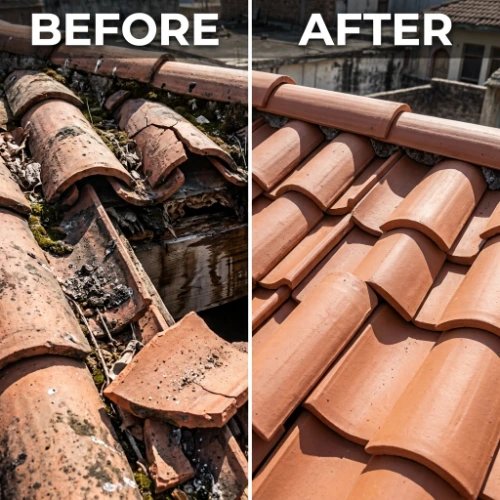
Cracked roof tile repair is often needed after storms, since even a single displaced tile exposes the underlayment beneath to water.
Water Stains After Rain
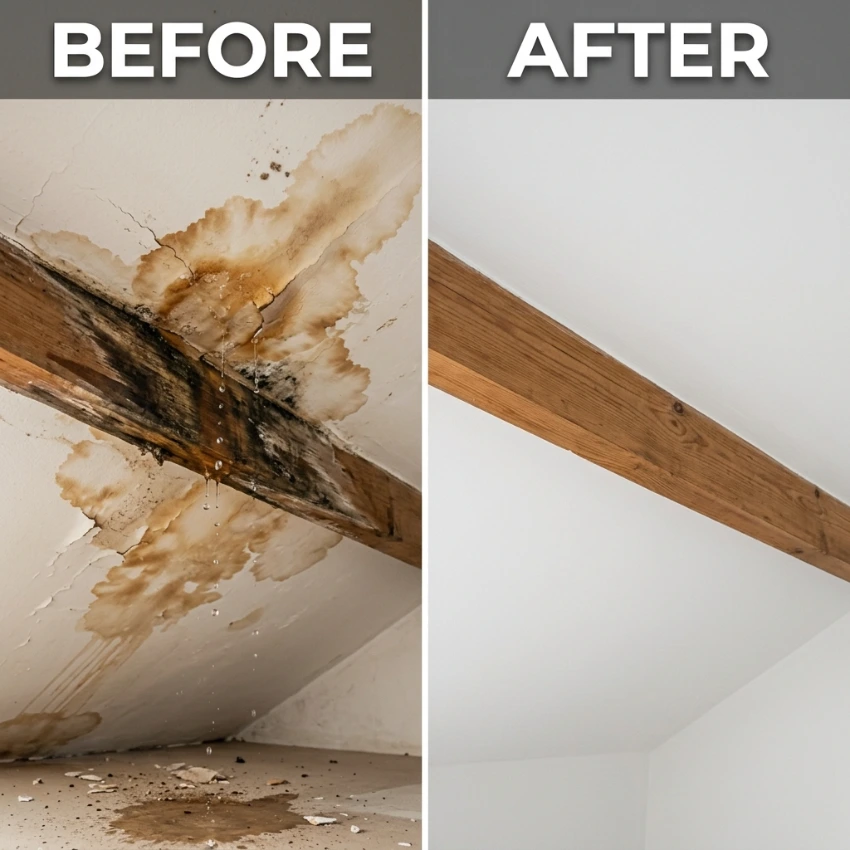
A tile roof leaking after rain that wasn’t there before usually points to compromised underlayment, not just a surface issue.
Granules or Debris in Gutters
Deteriorating underlayment often sheds material that collects in gutters, an early warning sign before a visible leak appears.
Musty Smell in the Attic
This is frequently the first indicator of trapped moisture, often traced back through proper roof leak detection before any stain shows up.
Visible Gaps Near Valleys
Tile roof valley leak repair is commonly needed here, since valleys channel the highest volume of water on the entire roof.
Recurring Leaks After Quick Fix
If a tile roof leak repair kit or sealant only stopped the problem temporarily, the underlying tile roof leak causes were likely never addressed.
What’s Causing Your Tile Roof to Leak?
Most tile roof leak causes trace back to failed underlayment, not the tiles themselves — cracked or aged underlayment lets water through even when the tiles look intact. Cracked roof tile repair often goes hand in hand with this, since displaced tiles are usually what exposed the underlayment in the first place. A proper roof inspection identifies which of these is responsible before any tile roof leak repair begins.
Why Homeowners Trust Us With Their Tile Roof
|
Tile Roof Service
|
We Handle It
|
Others
|
|---|---|---|
|
Tile Roof Leak Detection Tracing |
✅ |
❌ |
|
Tile Roof Leak Repair Pricing Before Work Starts |
✅ |
❌ |
|
Tile Roof Leak Repair Pricing Before Work Starts |
✅ |
Varies |
|
Same-Day Detection & Cracked Roof Tile Repair |
✅ |
❌ |
|
No Blind Roof Tear-Off |
✅ |
❌ |
|
Photo Documentation for Insurance |
✅ |
❌ |
|
Written Warranty on Tile Roof Leak Repair |
✅ |
Varies |
|
Licensed Weatherford Roof Repair Company |
✅ |
❌ |
Tile Roof Leaks We’ve Fixed
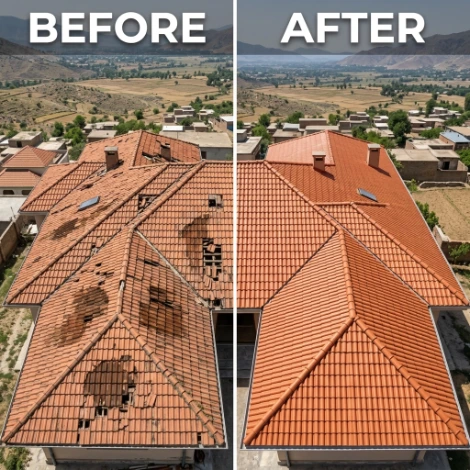
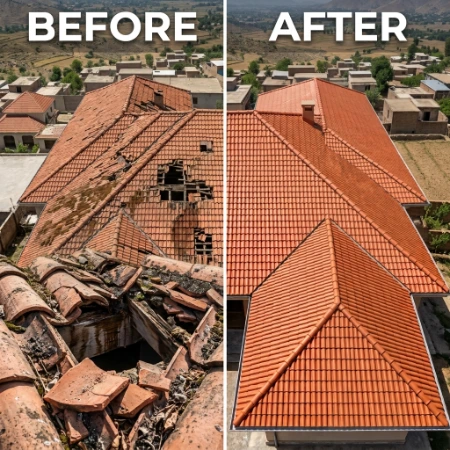
Every tile roof tells a different story, but these three cases show the range of tile roof leak repair situations we handle across Weatherford.
A homeowner noticed water stains days after a spring storm. Roof leak detection traced it to several cracked tiles that had exposed the underlayment, and cracked roof tile repair resolved it the same day.
After two previous patch attempts failed, we found the real issue was debris-clogged flashing in the valley. Tile roof valley leak repair fixed the actual cause instead of the surface symptom.
A homeowner reported a musty attic smell but no visible stains. A proper roof inspection revealed early underlayment failure, caught before it turned into a major tile roof leak repair.
What Homeowners Want to Know
Answers to the most common questions homeowners ask about tile roof leak detection and repair.
Why Is My Tile Roof Leaking?
Tile roofs leak when the underlayment beneath the tiles deteriorates, or when tiles crack, slip, or break completel
Why Do Tile Roofs Leak?
The tiles rarely fail first — leaks start when the underlayment beneath them ages, tears, or deteriorates over time.
How to Fix Leaking Roof Tiles?
A roofer replaces cracked or broken tiles and repairs or replaces the failed underlayment beneath the roof tiles.
How to stop water from getting under roof tiles?
Properly sealed underlayment, correctly overlapped tiles, and intact flashing at valleys keep water from reaching underneath the tiles.
Our Tile Roof Repair Process
Every tile roof leak repair we complete follows the same careful process, since tile systems require a different approach than shingle or metal roofing.
Roof Inspection
We examine tiles, flashing, and valleys for visible cracks, slipped tiles, or debris buildup before touching anything.
Underlayment & Tile Repair
We address the actual cause, whether that’s cracked roof tile repair, underlayment replacement, or a tile roof valley leak repair.
Roof Leak Detection
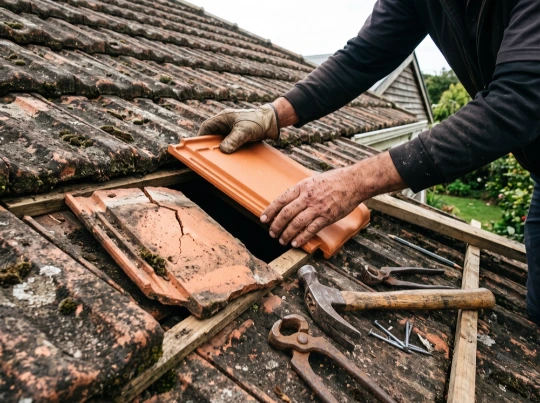
We trace the leak back to its true source, since water often travels along the underlayment before showing up somewhere else inside.
Final Check
We carefully reset all tiles to their original position and confirm the roof is fully sealed before closing out the job.
Trusted by Homeowners Across Weatherford
Real feedback from homeowners we’ve helped protect with careful, precise tile roof leak repair.
Inspection Results
We don’t just inspect homes, we give buyers and sellers peace of mind. Here are a few examples of what our clients discovered thanks to our inspections: